


Clean Power Research® is excited to announce the launch of 5-minute, 500-meter real-time solar data for SolarAnywhere® SystemCheck® users across the continental U.S. (CONUS), Hawaii, Mexico and the Caribbean.
With this high-resolution data, PV performance engineers and operators can more precisely capture solar resource variability and monitor system performance. This granularity enhances ground station redundancy, reduces dependence on ground sensors and improves visibility into causes of under-performance—enabling faster, more informed decisions in dynamic weather conditions.
This new feature builds on SolarAnywhere’s existing 5-minute native resolution historical data by extending coverage all the way to the present time with SolarAnywhere SystemCheck real-time data. It delivers a six-fold increase in temporal resolution from 30-minute to 5-minute native satellite imagery and quadruples the spatial resolution from 1 km to 500 m tiles for real-time irradiance data. By harnessing the full capabilities of GOES satellite imagery, SolarAnywhere now provides a granular view of solar irradiance in these regions.
What’s new: 5-minute native resolution data
With this launch, SystemCheck now supports data at 5-minute intervals for CONUS, Hawaii, Mexico and the Caribbean via API. Key details of the feature include:
- Higher temporal resolution – Data is updated every 5 minutes, capturing rapid changes in weather and its effects on PV production that 15-minute data might miss. This means 12 updates per hour instead of 4, keeping you in closer sync with actual weather conditions.
- Enhanced spatial resolution – Each data point represents approximately a 500 m x 500 m tile—4x higher resolution than a 1km x 1km tile. This fine granularity lets you see cloud impacts on a sub-kilometer scale.
- Coverage areas – At launch, the 5-minute data covers the contiguous United States plus Hawaii, Mexico and the Caribbean islands. These regions are served by GOES-East and GOES-West satellites, which provide 5-minute scans. Data for other global regions remains at 15-minute resolution, until higher resolution support is available.
- API access – The 5-minute resolution data is available via the SolarAnywhere API. Simply request 5-minute temporal and 0.005 degree (nominally 500 m) spatial resolution when making real-time data queries. Note: 5-minute data support in the SystemCheck Dashboard is coming soon.
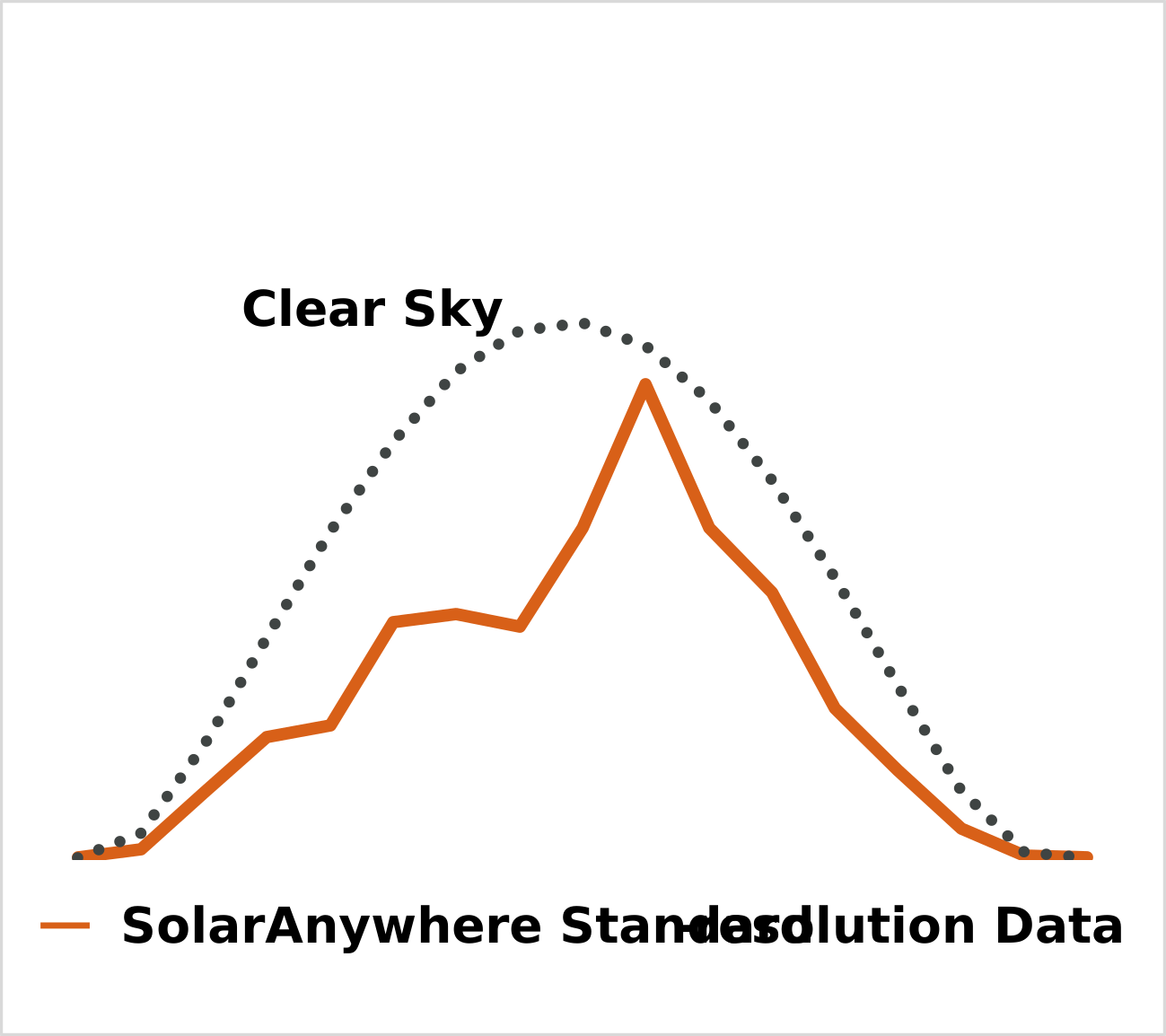
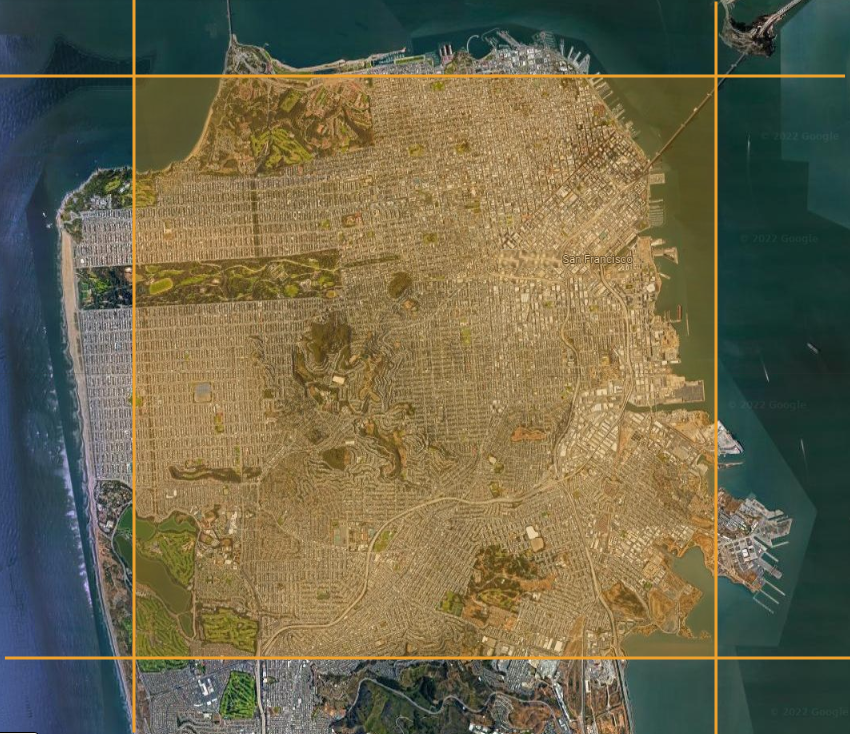
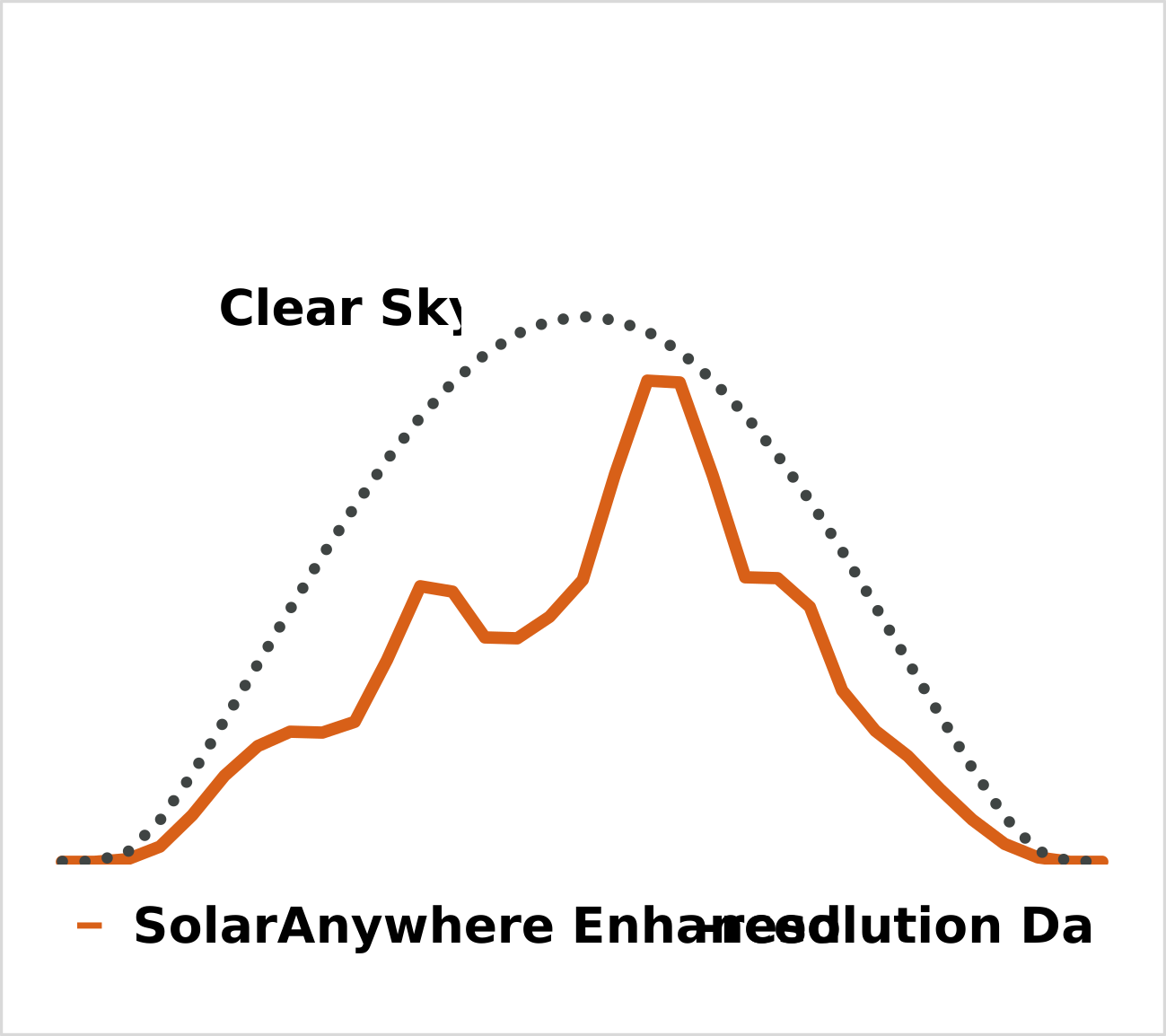
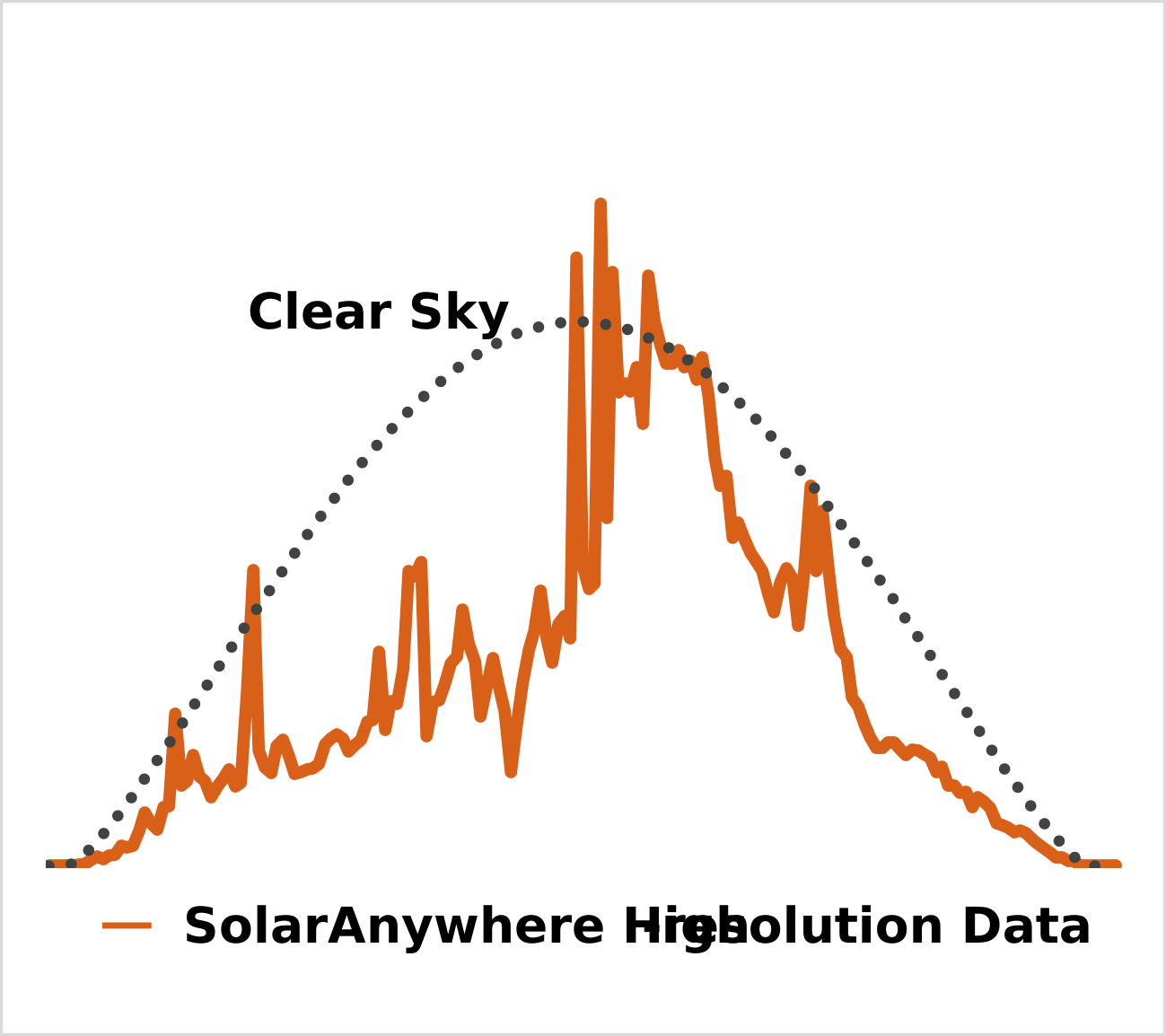
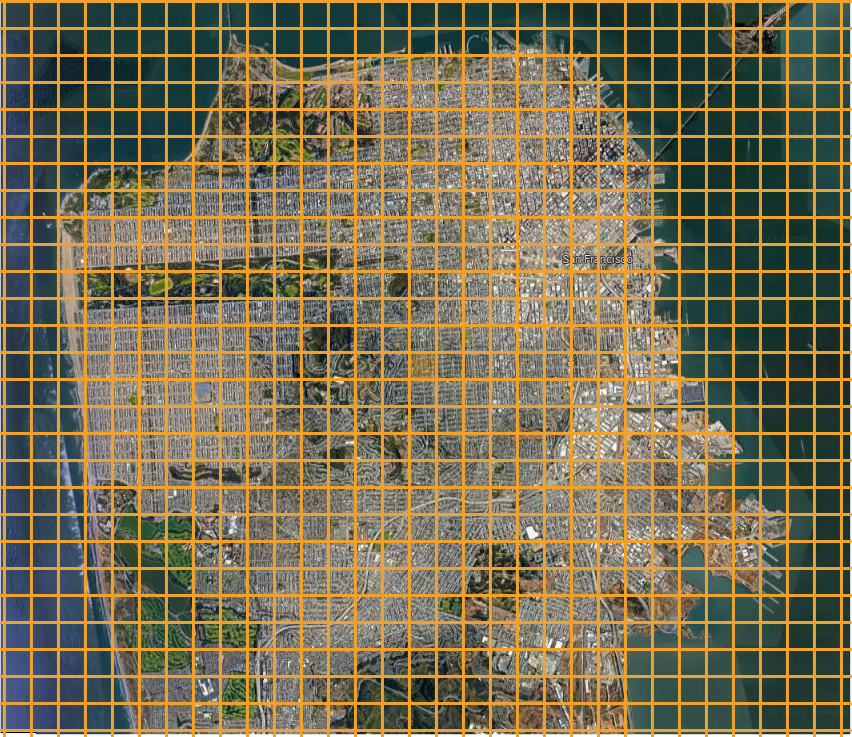
Figure 1 outlines the different data resolutions now available in real-time time frames.
Standard
10 km nominal – 0.1 x 0.1 deg. gridded tile Hourly data
Enhanced
1 km nominal – 0.01 x 0.01 deg. gridded tile Hourly, half-hourly or 15-minute data
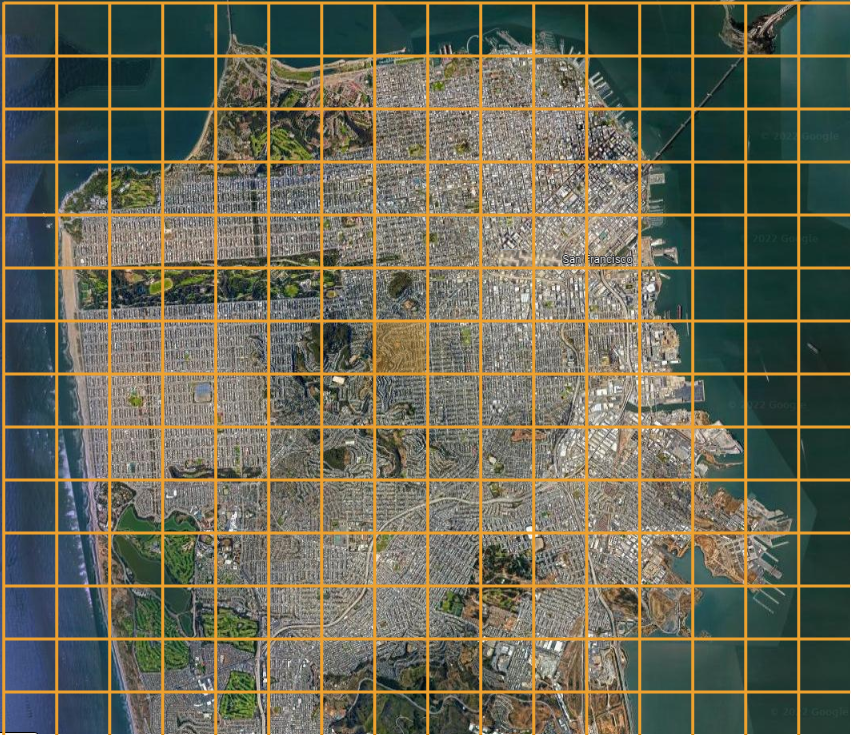
High
0.5 km nominal – 0.005 x 0.005 deg. gridded tile 5-minute data
Standard
10 km nominal – 0.1 x 0.1 deg. gridded tile Hourly data
Enhanced
1 km nominal – 0.01 x 0.01 deg. gridded tile Hourly, half-hourly or 15-minute data
High
0.5 km nominal – 0.005 x 0.005 deg. gridded tile 5-minute data
Why 5-minute data matters
Moving to more granular solar data is all about gaining richer insight and better operational alignment. Consider the figure below comparing 5-minute SolarAnywhere high-resolution data to hourly SolarAnywhere data and data from a calibrated pyranometer. The high-resolution SolarAnywhere data captures solar resource variability due to cloud movement and closely aligns with the ground data feed.
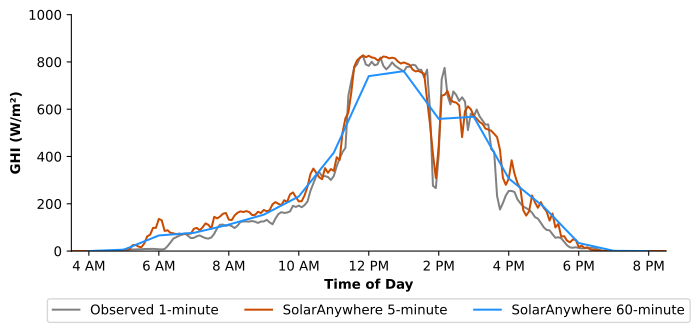
This graph is a comparison of GHI time-series data for Seattle on August 14, 2025, between SolarAnywhere hourly, 1 km resolution and 5-minute, 500 m satellite-derived irradiance and 1-minute observed data
Here are the key benefits you can expect:
- Access to the highest resolution satellite data available – This SolarAnywhere data leverages a true 5-minute refresh from the latest geostationary satellites at native 500 m resolution with no averaging or post-processing interpolation. You get the full, native fidelity of the observations, revealing short-term variability and cloud motion that coarser data could overlook.
- Real-time operational alignment – 5-minute updates mean your solar generation estimates now keep pace with on-site SCADA readings and quickly-changing weather conditions. This enables high-resolution performance benchmarking and timely operational adjustments without waiting until the next 30-minute time step.
- Granular spatial insights – 500-meter resolution better captures localized weather impacts such as differentiating weather conditions across a large solar farm, multiple structures with C&I rooftop solar or a utility’s service area. Operators can identify micro-climate events or partial array shading in ways that are not possible with coarser data, leading to more precise root-cause analysis of production swings.
- Seamless API integration – Same API, more data. SystemCheck users with a high-resolution data license can access this feature using the same API endpoints they currently use. It supports all real-time irradiance, weather and energy output fields just like other resolutions. Integrate with the API to feed into your internal tools or your favorite performance monitoring platform.
Ultimately, anyone involved in solar operations, performance analysis or grid management will benefit from the richer data stream.
Ready to leverage 5-minute insights?
The move to 5-minute data brings SystemCheck users closer to “ground truth” than ever before, capturing the dynamics of solar resource in real time.
Getting started is simple. You can access 5-minute data via a SystemCheck license upgraded with high-resolution data access. Contact us today to begin a trial or enable high-resolution real-time data for your account. Our support team is happy to assist if you have questions or want help getting started.
Stay tuned for more updates as we continue to enhance our data offerings (global expansion of high-frequency data is on the horizon!).